
13 August 2026
Sushi types: the complete guide to nigiri, maki, uramaki, temaki and sashimi
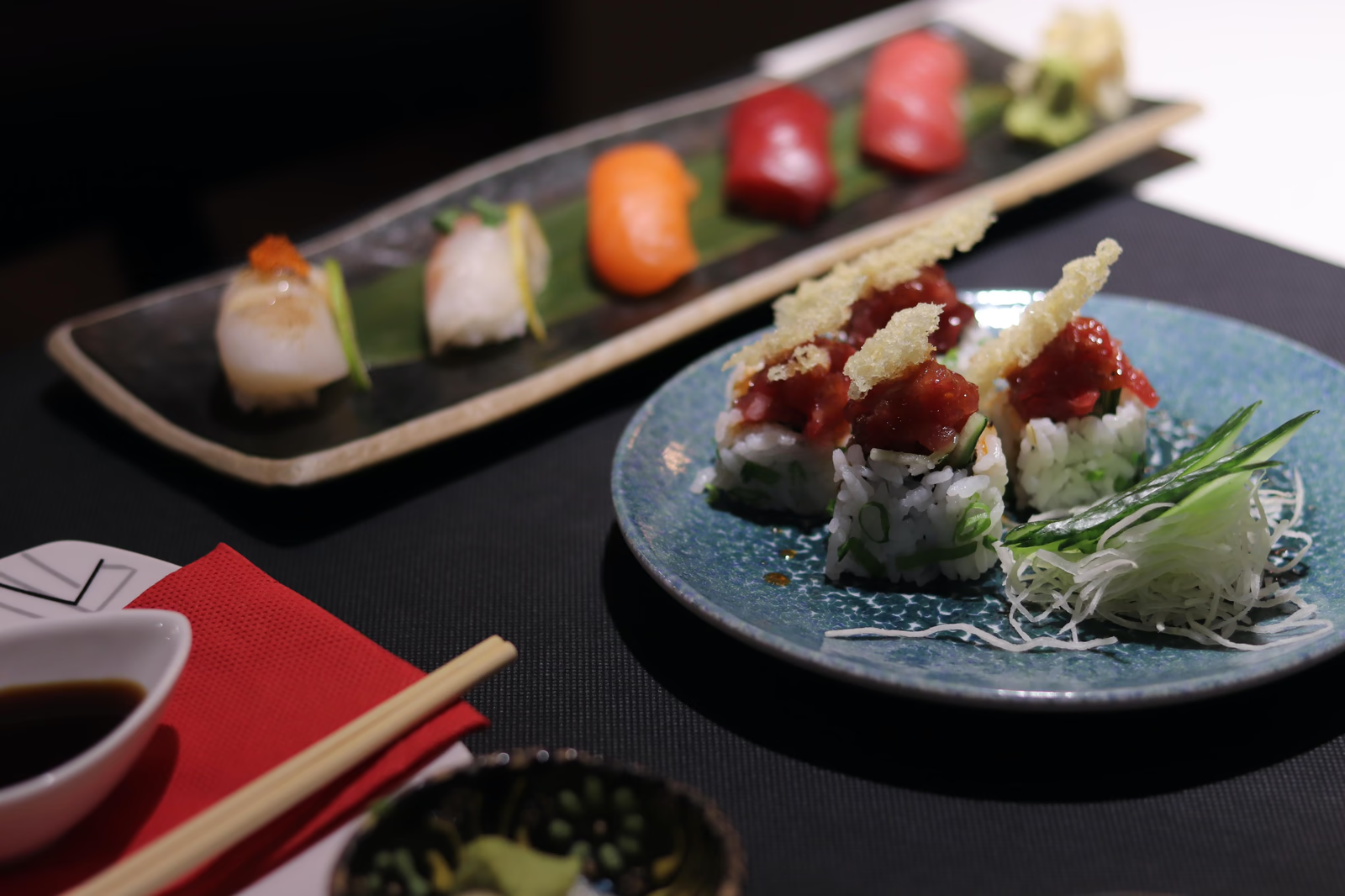
The main types of sushi are nigiri (rice with fish on top), maki (a roll with seaweed outside, thin as hosomaki or thick as futomaki), uramaki (an inside-out roll with rice outside), temaki (a hand cone) and gunkan. Sashimi, by contrast, is not sushi: it is fish served on its own.
If a Japanese menu still leaves you a little unsure, you are far from alone. Below is each type explained the way we would talk you through it at the counter — no unnecessary jargon, just what actually matters when it is time to order.
What types of sushi are there?
Before the detail, here is the quick list of the families you will come across:
- Nigiri: an oblong ball of vinegared rice with a slice of fish or seafood laid over it.
- Hosomaki: a thin roll, with the seaweed (nori) on the outside and a single ingredient inside.
- Futomaki: the same idea as hosomaki but thick, with several fillings.
- Uramaki: an inside-out roll, rice on the outside and the seaweed hidden within.
- Temaki: a cone of seaweed filled with rice and fish, eaten with your hand.
- Gunkan: a base of rice wrapped in a strip of seaweed, like a little boat, for loose toppings such as roe.
- Oshi-sushi: pressed sushi shaped in a mould and cut into rectangles, typical of Osaka.
Then there is sashimi, which usually shares a menu with sushi but technically is not sushi. We clear that up further down. Anything that carries vinegared rice is sushi — that is the thread running through the whole family. If you want the historical reason behind it, we tell that story in what is sushi.
Broadly, all of this falls into two big families: hand-moulded sushi (nigiri and its cousins, such as gunkan) and rolled sushi (hosomaki, futomaki, uramaki and temaki). Grasping that basic split already sorts out half the menu: if seaweed wraps the rice, it is a maki in one of its forms; if it is a loose portion topped with fish, you are looking at a nigiri or a gunkan.
What is nigiri?
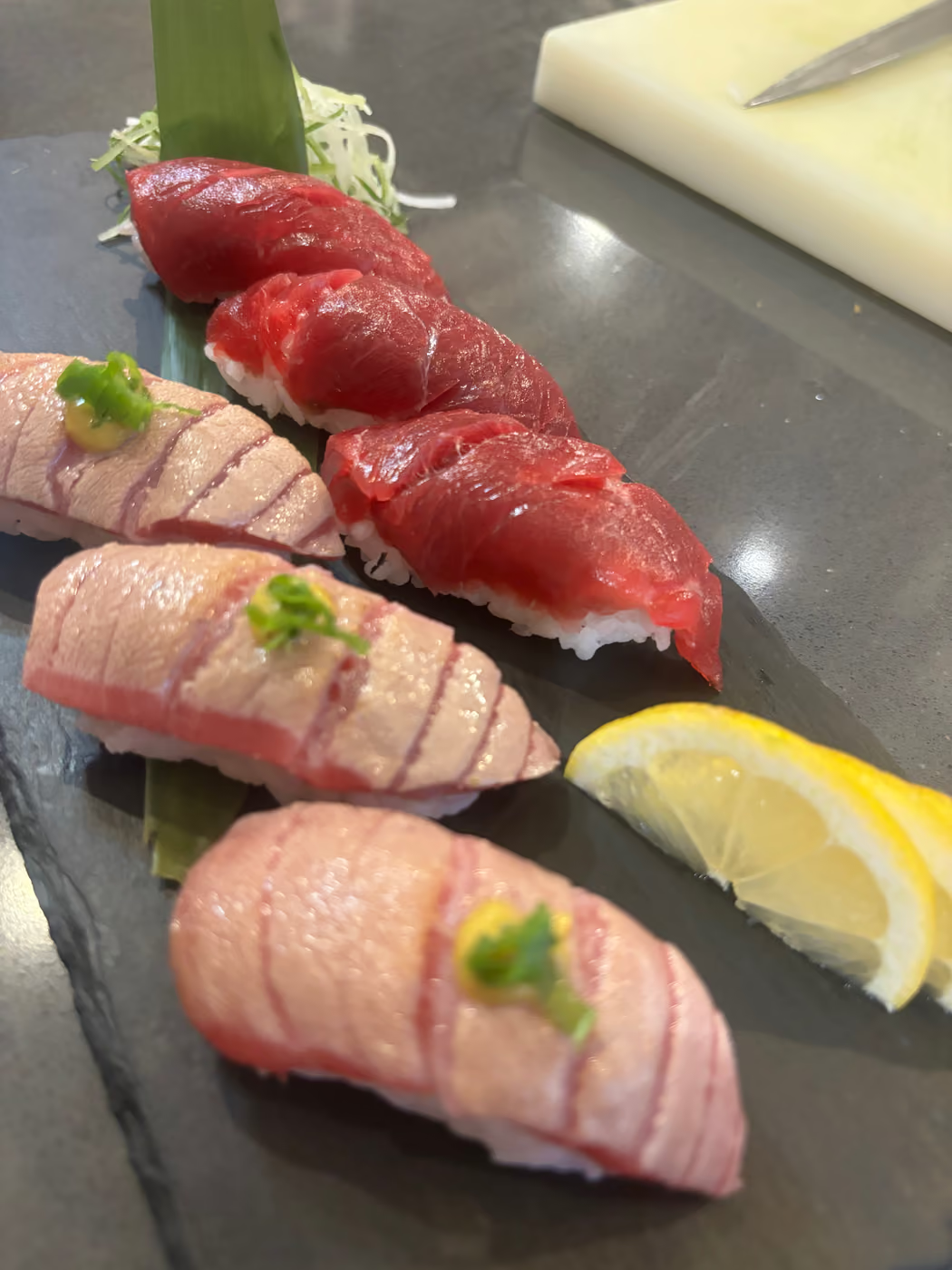
Nigiri is the purest, most recognisable form of sushi: a portion of rice moulded by hand and crowned with a slice of fish, seafood or omelette. The word comes from nigiru, “to press” or “to shape with the hand”, and that is the whole point. Done well, the rice is not packed tight like a croquette: it holds together on the plate but falls apart the moment it reaches your mouth.
A good nigiri comes down to three things: the temperature of the rice (warm, never fridge-cold), the cut of the fish and the balance between the two. That is why it is cut and built to order and never sits waiting in a display case.
At Hito, nigiri is sold in pairs and cut in front of you, at the counter, as you order it. Each piece is built at the moment, not prepared in advance. If this is your first time, nigiri is where we suggest you start: it is the piece that best lets you taste the quality of the fish and the rice on their own terms.
Gunkan deserves a mention of its own because it is, at heart, a nigiri with a “belt”: a strip of seaweed rings the rice to build a wall so it can hold toppings that would otherwise slide off, such as salmon roe (ikura) or sea urchin. It is the elegant answer to everything that cannot simply be sliced and laid on top.
What is maki?
Maki is rolled sushi. Rice is spread over a sheet of nori seaweed, the filling is laid on, it is rolled with a mat and cut into pieces. Within this family there are two formats worth telling apart:
- Hosomaki: the thin roll. Seaweed outside, rice, and a single ingredient in the middle (tuna, salmon, cucumber…). On Hito’s menu, hosomaki is served in portions of 6. Clean, direct and perfect for tasting one fish on its own.
- Futomaki: the big brother. Thicker, with several fillings combined in one roll. It is the most substantial of the makis and tends to be ordered to share.
In both cases the seaweed stays on the outside — which is exactly what sets them apart from uramaki.
Hosomaki is also the format many people start with at home, because the nori on the outside forgives rolling mistakes. In a restaurant, though, what makes the difference is the quality of the seaweed: a toasted, crisp nori completely changes the texture of the bite compared with a soggy one.
What is uramaki?
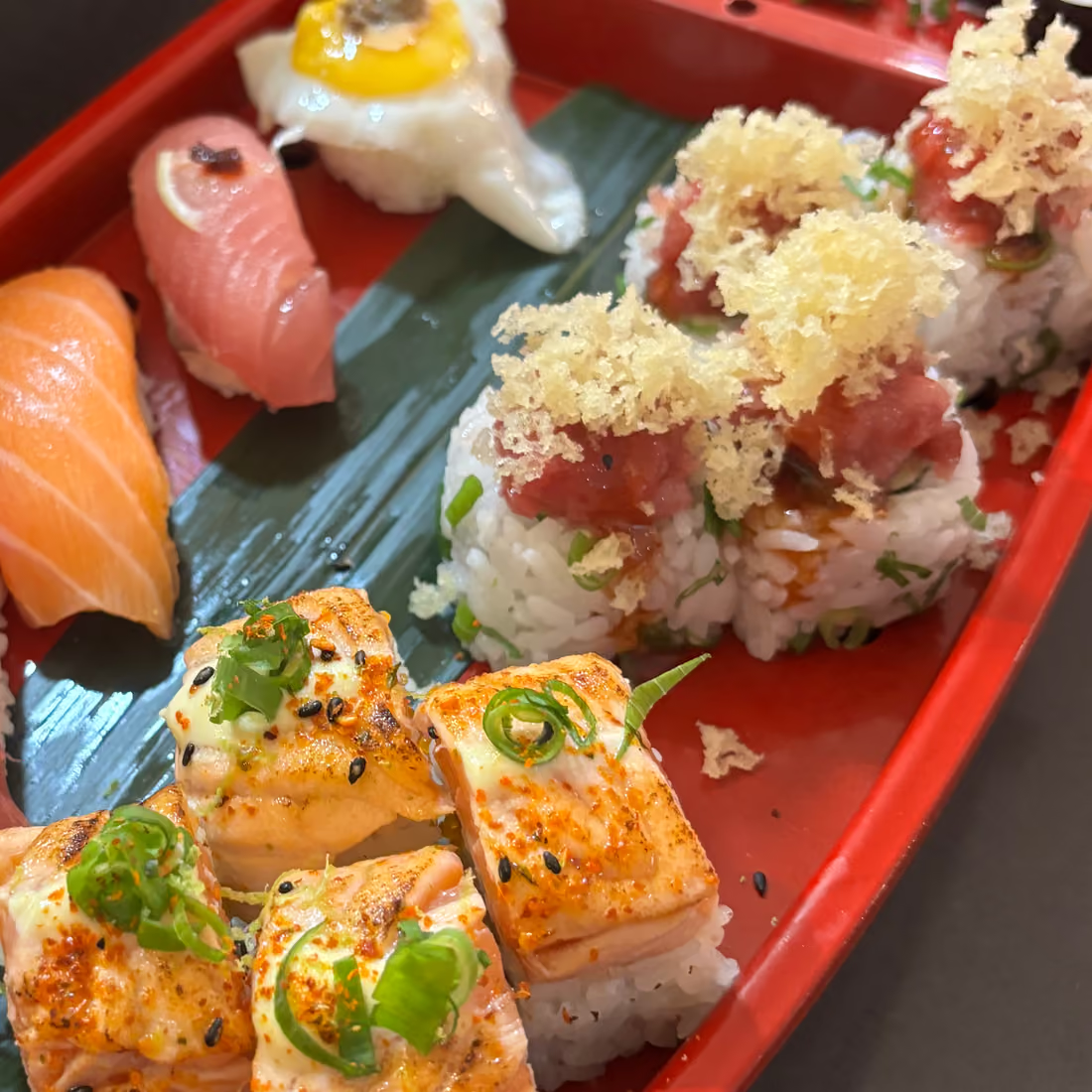
Uramaki is the “inside-out” roll: the rice goes on the outside and the seaweed is tucked inside, wrapping the filling. The exterior is usually coated in sesame, flying-fish roe (tobiko) or thin slices of fish or avocado.
It is the most eye-catching format and also the most versatile, because it holds combinations a hosomaki never could. If you have seen colourful rolls with sauces on top, they were almost certainly uramaki. Hito’s menu offers 8 different uramaki to choose from, so it is good ground for experimenting without straying from what the house does best.
Uramaki was created precisely to bring sushi closer to palates less used to seaweed: by hiding it inside, the first impression is of rice and filling, which are gentler. That is where its international fame and huge range of combinations come from. At Hito we treat it as what it is — a canvas — but always with the same fish and the same rice we put in the nigiri.
What is temaki?
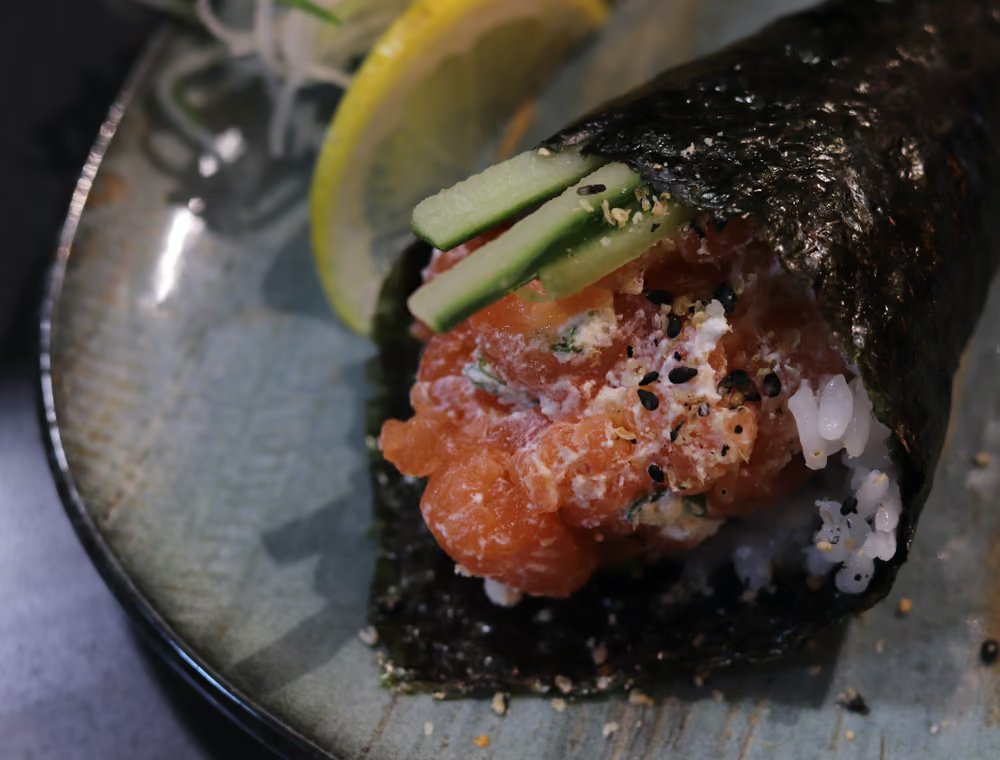
Temaki is a cone of nori seaweed filled with rice, fish and vegetables, eaten with your hand rather than chopsticks. It is the most informal, relaxed version of sushi: it is made to order so the seaweed stays crisp, and eaten straight away, before the moisture of the rice softens it.
For that very reason, temaki is the best example of why sushi should be eaten fresh. It is a piece built for the here and now, not for a takeaway box.
It is worth rescuing oshi-sushi here, that lesser-known cousin on the list. Instead of being moulded by hand or rolled, the rice and fish are pressed in a wooden mould (the oshibako) and then cut into clean rectangles. It comes from Osaka and has a firmer, more compact texture than nigiri. You will not see it on every menu, but knowing it exists helps you understand that sushi is far more than rolls: it is any preparation built around vinegared rice.
Is sashimi sushi?
No. And this is the most common confusion at any table. Sashimi is not sushi, because sushi means rice.
The word “sushi” comes from su-meshi, the vinegared rice. Everything we have covered so far — nigiri, maki, uramaki, temaki, gunkan — carries that rice, and that is why they are all sushi. Sashimi, by contrast, is simply raw fish or seafood, precisely cut and served on its own, with no rice at all. It is a separate preparation, not a variety of sushi.
Sharing a menu and a philosophy — superb produce, careful cutting, absolute freshness — does not make them the same thing. When you order sashimi, you order the fish in its purest state; when you order sushi, the rice is always there.
Within that same family of fish served on its own, you will sometimes see two other names on Japanese menus: tataki, fish or meat seared very quickly on the outside and raw within, and usuzukuri, a cut of paper-thin, almost translucent slices. Neither carries rice, so, like sashimi, they are not sushi in the strict sense, even though they demand the same quality of produce.
Nigiri vs sashimi: which should you order?
Now that the difference is clear, the practical question is which to order. It depends on what you want to taste:
- Order sashimi if you want to judge the fish with no distractions. No rice, no sauce — the flavour, the texture and the fat of the fish are all laid bare. It is the acid test of the kitchen’s quality and the best way to appreciate a great tuna.
- Order nigiri if you want the full sushi experience in a single bite: the balance between warm rice and fish, that proportion the sushiman judges for you. It is rounder and easier to enjoy on a first visit.
The honest answer? Order both. Start with the sashimi to get to know the fish, then move to the nigiri to see how it changes with the rice. That is how you truly understand what you are eating.
What should you try first on Hito’s menu?
If it is your first time with us, the advice is simple: sit near the counter, start with a couple of nigiri to gauge the rice and the fish, add a little tuna sashimi to go straight to the produce and, if you fancy something more elaborate, follow with one of the eight uramaki on the menu.
There is no “correct” list: that is what the counter is for — ask Oliver or Alex what is coming in best that day and let yourself be guided. Everything is cut on the spot, so whatever you order arrives freshly built.
And do not stress about the names. The lovely thing about sitting at the counter is that you do not need to master the vocabulary to eat well: just say what you fancy — something mild, something fattier, something to share — and let the sushiman suggest. The menu is a map, but the counter is the conversation.
To round off the experience, take a look first at how to eat sushi: with the chopsticks, soy and wasabi in their right place, every piece tastes the way it should. When you are ready, browse the menu and come try it at the counter.