
10 August 2026
How to eat sushi: chopsticks, wasabi, soy sauce and ginger, done right
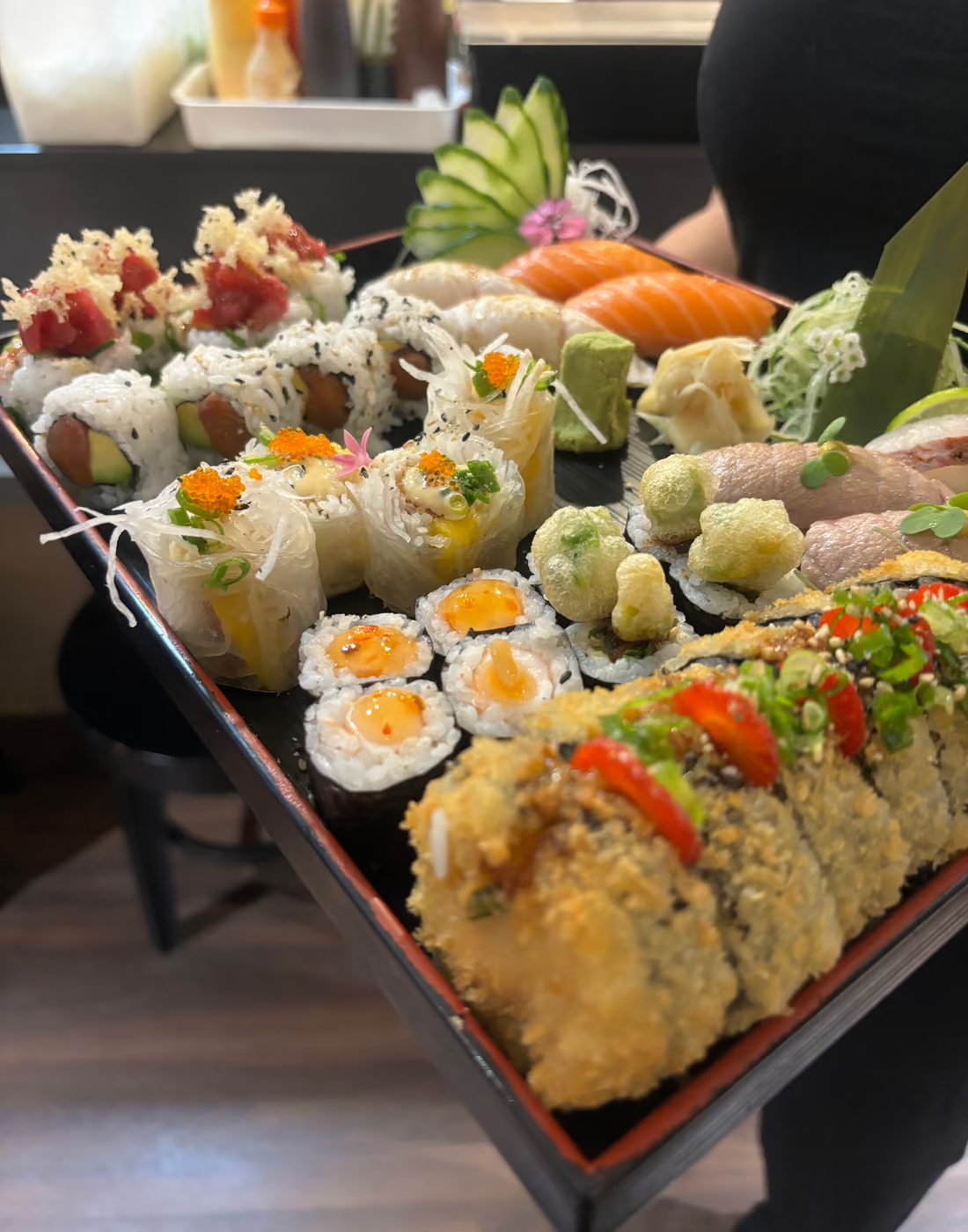
Eating sushi well is simpler than it looks: nigiri goes in your mouth in a single bite, you dip it fish-side down (never the rice), the wasabi is already placed by the itamae, and the ginger is eaten between pieces to reset your palate. Start with the lean, delicate fish and finish with the fatty cuts.
Do you eat sushi with chopsticks or with your hands?
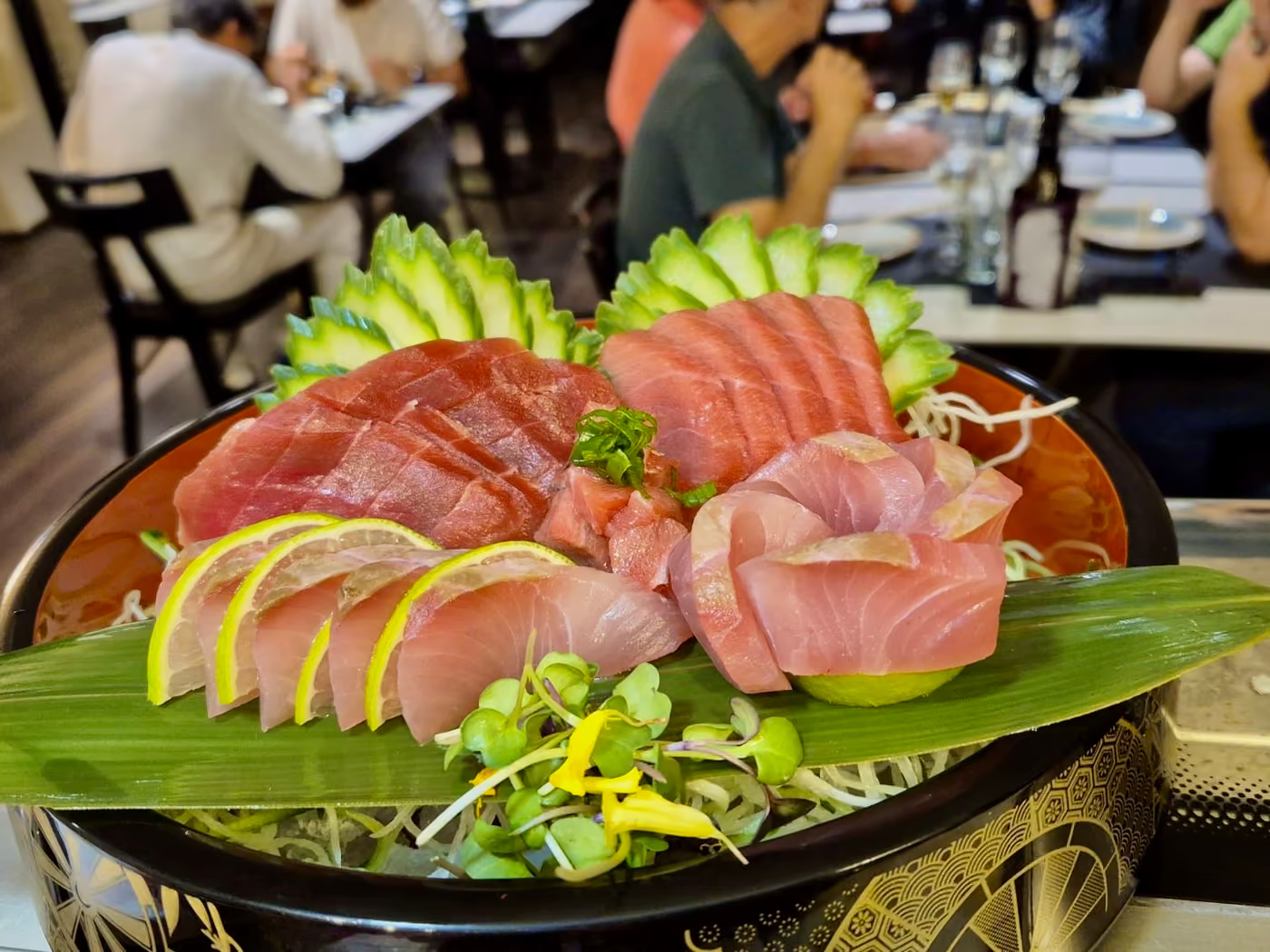
Both are correct. Nigiri is traditionally eaten with your hand: you pick it up, turn it over and rest it on your tongue. Sashimi, on the other hand, is always eaten with chopsticks, because it is fish with no rice to hold it together.
Using your hand is not bad manners; quite the opposite. In Japan it is the oldest and most respectful way to eat nigiri. If you prefer chopsticks, hold the piece gently so the rice doesn’t fall apart. What matters is that the piece reaches your mouth in one go.
Here’s a detail almost nobody knows: nigiri rests on your tongue fish-side down, not up. That way the fish, not the rice, is the first thing to touch your palate. And never split a piece in two with your chopsticks; it’s served at the exact size for a single bite.
What is wasabi and where does it go?
Wasabi is a Japanese root with a clean, sharp heat that is grated fresh. What’s usually served outside Japan is almost always horseradish paste dyed green; real wasabi is milder, more aromatic and far less aggressive in the nose.
With a good nigiri you don’t need to add wasabi: the itamae already places the right amount between the fish and the rice. That’s why there’s no need to dissolve it in the soy sauce. The habit of stirring it into the soy travelled with sushi around the world, but it buries both the chef’s work and the flavour of the fish. Trust whoever is behind the counter.
If the heat worries you, relax: ask for it on the side and decide for yourself. But before writing it off, try a piece exactly as the itamae built it. Well-measured wasabi doesn’t burn; it lifts the fattiness of the fish and adds depth.
How do you dip nigiri in soy sauce?
Turn the nigiri over and dip only the fish side, not the rice. Rice soaks up the sauce like a sponge, turns too salty and falls apart before it reaches your mouth.
A light touch is plenty. Soy should accompany the piece, not drown it. If you see it swimming in sauce, you’ve overdone it. With sashimi the move is the same: dip one end of the fish and take it straight to your mouth.
A counter trick: hold the nigiri between your thumb and two fingers, or grip it from the sides with chopsticks, tilt it almost ninety degrees and just graze the tip of the fish in the soy. It’s a small move but it changes the whole bite, because you keep the balance between rice, fish and salt.
What is the ginger (gari) for?
The pickled ginger, called gari, is a palate cleanser. You eat it between pieces, not on top of the sushi and not inside the same bite.
Its job is to reset your taste so the next fish is as crisp and clear as the first. Take a slice, chew it and carry on. It isn’t a topping to pile onto your nigiri; that only masks the flavour you actually want to taste.
Gari also marks the pauses in a sushi meal. Between one bold fish and the next, that pink slice takes you back to zero. Don’t treat it like a salad: one or two slices per round is plenty, not a heap on the plate.
In what order do you eat sushi?
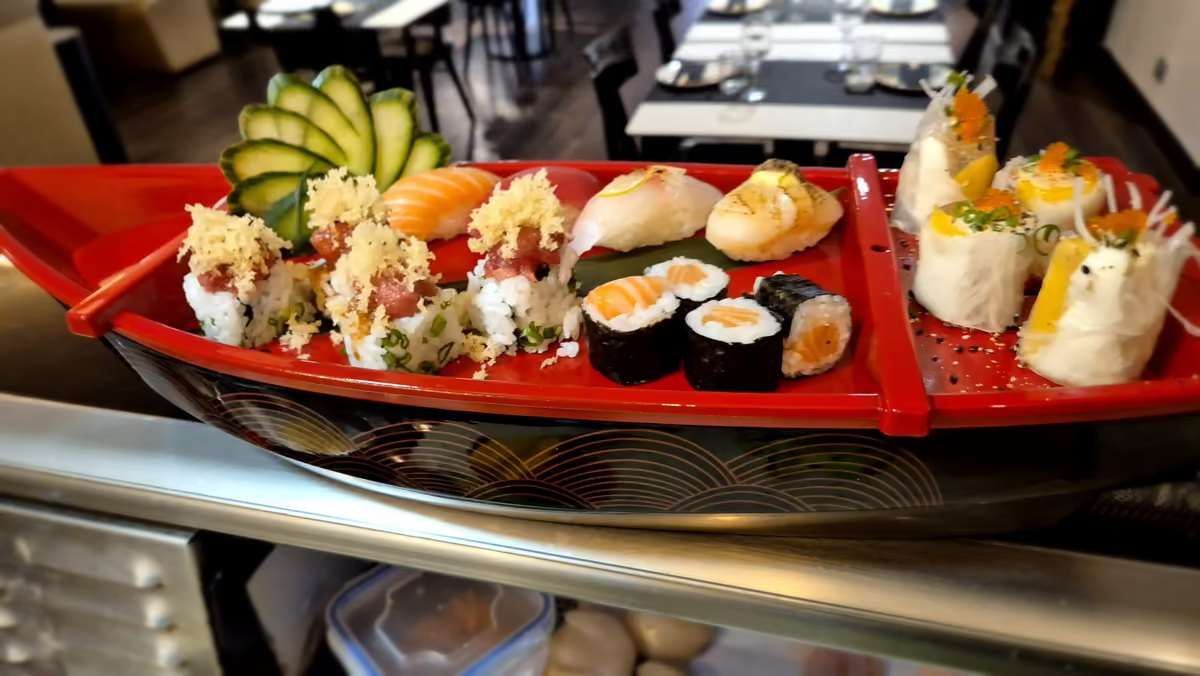
From light to fatty. Begin with the white, delicate fish, move on to lean tuna (akami) and work your way toward the fattier cuts such as chutoro and otoro. Close with something sweet, like tamago (Japanese omelette).
This order respects your palate: start with the fattiest and everything after it tastes faint. If you’re unsure, tell the counter and they’ll set the pace for you. At Hito we break down whole bluefin tuna, so the tuna cuts are a great way to follow that progression.
Don’t obsess over following the order to the letter if you’re sharing a mixed boat; it’s a guide, not a rule. But if you order piece by piece at the counter, telling the itamae ensures each bite arrives at its best moment and at the right temperature.
What should you order the first time?
If it’s your first time, sit at the counter and let them guide you. Order an assortment that mixes nigiri and a little sashimi to sample textures, and don’t be shy about asking what’s best that day.
And one last thing: sushi is eaten without rushing, but without letting the pieces go warm or the rice dry out either. It isn’t a dish to stack on the edge of your plate while you chat; every bite is meant to be taken the moment it’s built. That’s exactly why the counter exists: to shorten the distance between the cut and your mouth as much as possible.
Before you come it helps to know what everything is: take a look at our guide to sushi types to recognise nigiri, maki, uramaki and sashimi. And if you want local context, in where to eat sushi in Las Palmas we explain what sets good sushi apart in the city. Once it’s clear, check the menu and come sit with us.