
8 August 2026
Bluefin tuna and Atlantic fish in sushi: what we cut at Hito's counter
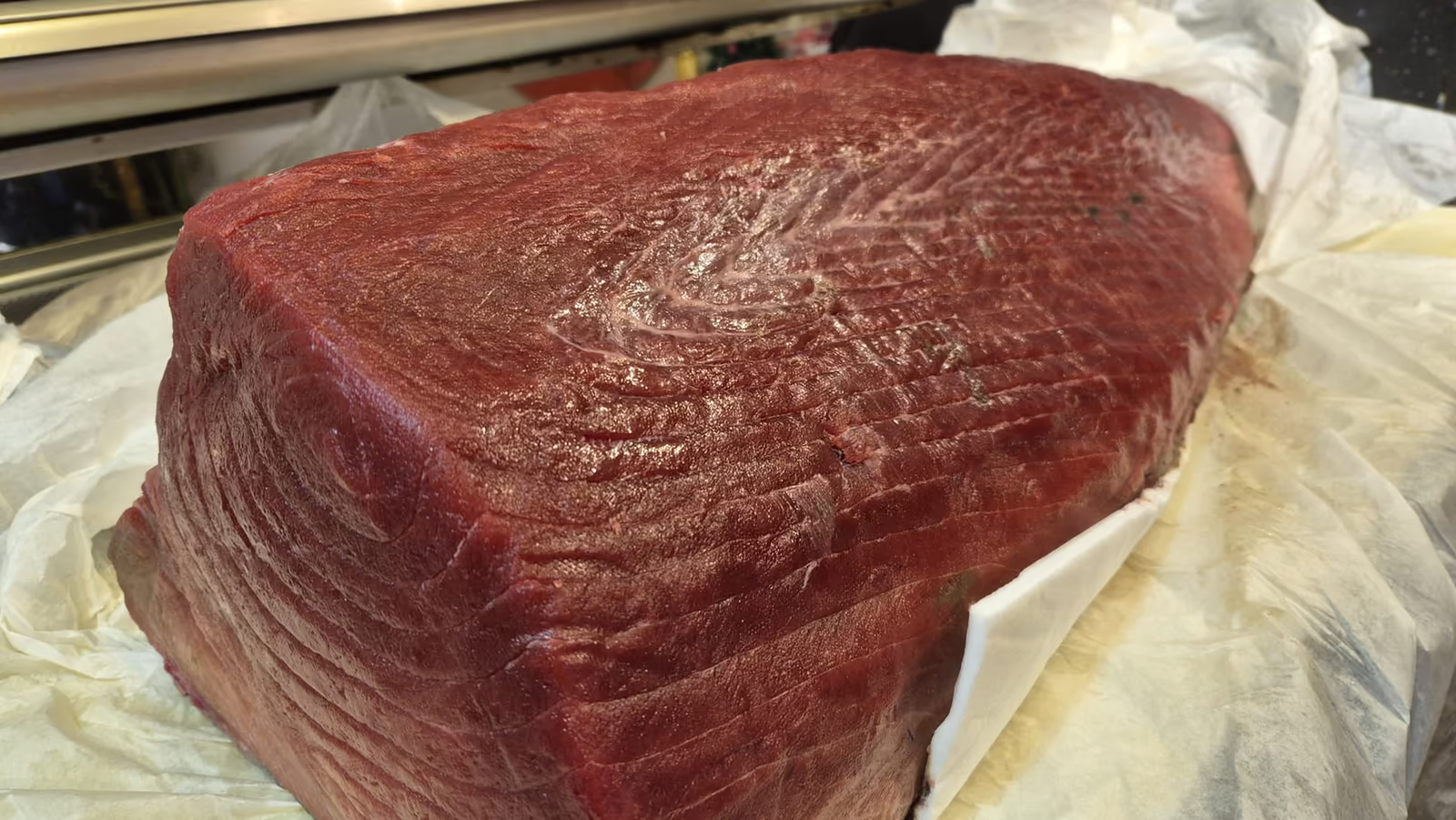
Bluefin tuna is the king of sushi thanks to its fat, its umami and its silky texture — few fish give you so much from a single piece. At Hito we break down whole Balfegó bluefin at our own counter and cut it to order, so every nigiri reaches your hand at exactly the right moment.
Why is bluefin tuna the king of sushi?
When you picture sushi, you probably see a glossy red slice draped over rice. That is bluefin tuna, and it is not there by accident. Its flesh brings together three things that rarely meet in one fish: deep colour, profound umami and a marbling of fat that melts in the mouth like butter.
Not all tuna is equal. Bluefin is larger, fattier and longer-lived than the lighter tuna or yellowfin you find in a can. That fat is the secret: it adds richness, aroma and the sensation that makes a simple piece — rice and fish — taste like far more than the sum of its parts.
To place tuna within the full map of sushi, start with our guide to sushi types: you will see where nigiri, sashimi and the other families fit.
What is Balfegó bluefin tuna?
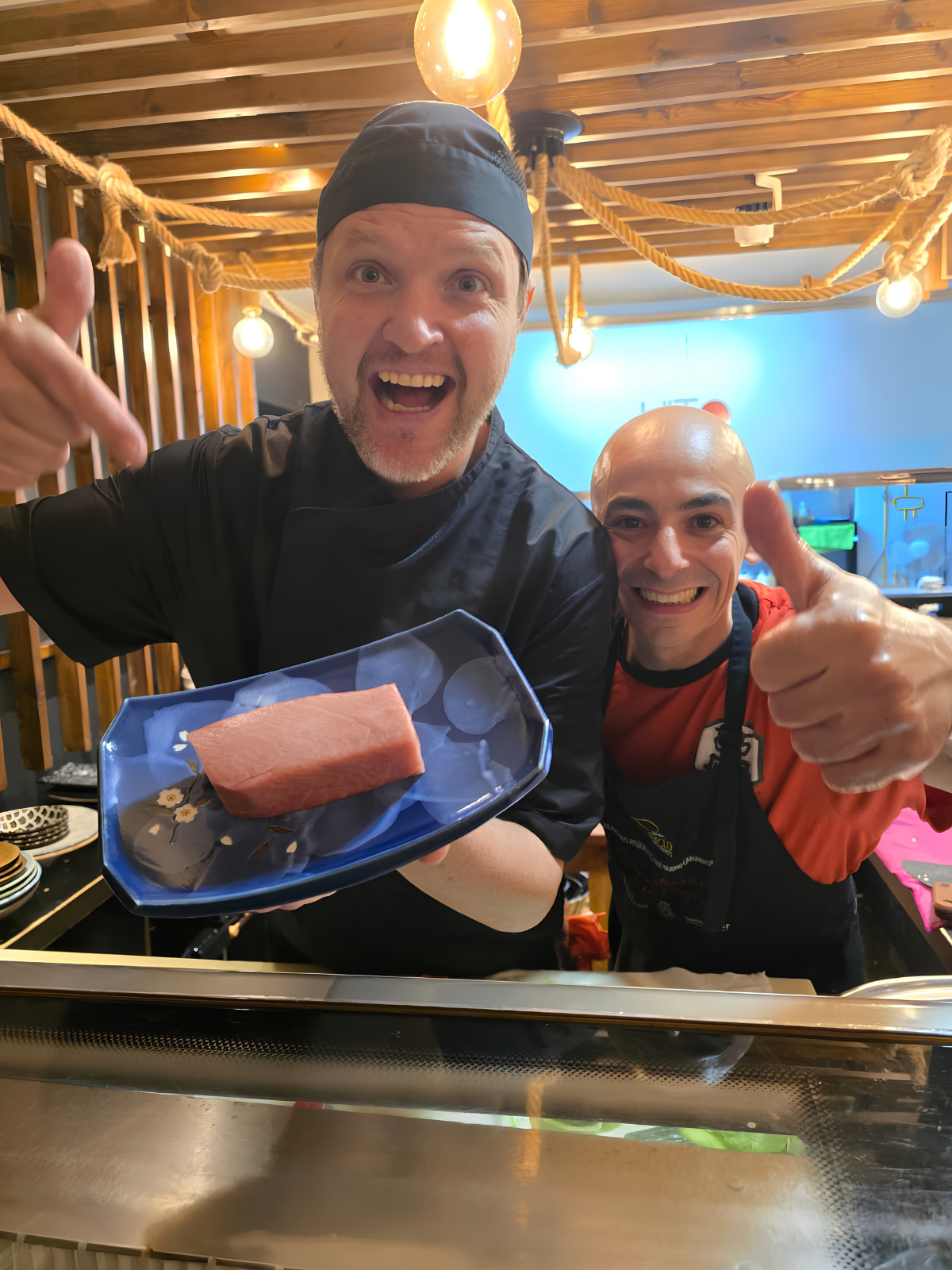
At Hito we work with Balfegó bluefin tuna. We receive the whole fish and break it down by hand at the counter, right in front of you. We do not buy pre-cut loins: breaking the tuna down ourselves lets us control every cut, make the most of each part and serve it at its peak.
Bluefin tuna has a long tradition in the Atlantic and the Mediterranean. For centuries it has been caught using methods such as the almadraba, a traditional trap fishery that follows the tuna along its natural migration routes. It is a wild, seasonal fish with real character, very different from intensively farmed tuna. That origin shows on the plate: clean flavour, noble fat and a texture that holds a thin cut without falling apart.
Akami, chutoro and otoro: which part of the tuna is which?
A single bluefin does not give you one kind of piece. Depending on where the cut comes from, the colour, the fat and the way you eat it all change:
- Akami — the lean loin, the reddest and least fatty part. Bold, straight-up tuna flavour and a firm texture. It is the most versatile cut and the one that best shows off the muscle of the fish.
- Chutoro — the medium belly, between the loin and the underside. Moderate fat, a rosy colour, a perfect balance of flavour and richness. For many, the sweet spot of the tuna.
- Otoro — the fattiest part of the belly. Almost pinkish-white, marbled with fat, it dissolves the moment it touches your palate. It is the jewel, which is why it is best saved for last.
Why does otoro go last? Because its fat coats the palate. If you start with the fattiest piece, the akami afterwards will taste like nothing. In a well-ordered meal you move from lean to fatty: akami first, then chutoro and, to close, otoro.
Which Atlantic fish work in sushi?
We live beside the Atlantic, and that closeness sets the rules. Not every fish suits sushi: we look for flesh with the right texture and fat, absolute freshness and careful handling.
Broadly speaking, firm-fleshed white fish work well — they hold a thin sashimi cut and offer a clean, subtle flavour. Fattier fish such as salmon gain creaminess, which is why they are so popular in nigiri and rolls, although salmon is not a traditional Japanese sushi fish: it became common far more recently. Seasonality matters too. Every species has its best time of year, and fish in season always cuts and tastes better.
The essential thing is not the species but how it is treated: the fresher and better handled, the better the sushi. A modest fish, well cut, beats a noble one badly handled.
How is the fish worked at the counter?
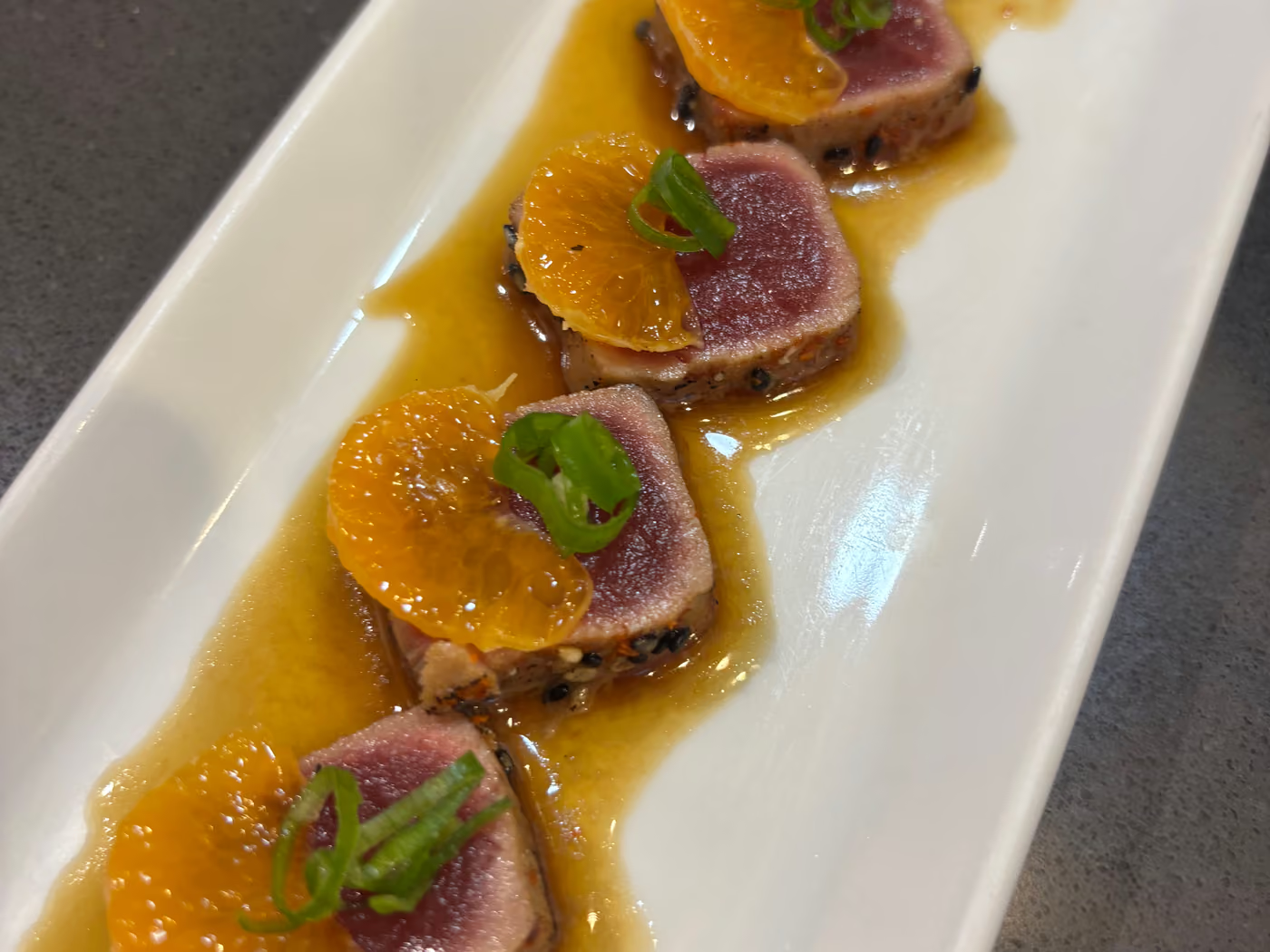
At Hito we cut to order, service by service. No trays prepared hours ahead: the nigiri, sashimi and tataki come off the fish the moment you order them. Sitting at the counter has its reward, because you watch the cut happen live and the fish reaches your hand within seconds.
That cut-to-order approach is what separates good sushi from excellent sushi. The fat, the temperature and the thickness of each piece are adjusted by hand, and that cannot be faked. To see what we prepare each day, take a look at the menu, and if you fancy making the rice yourself at home, our guide to making sushi rice will give you the perfect base to go with a good piece of tuna.